|
-------------------
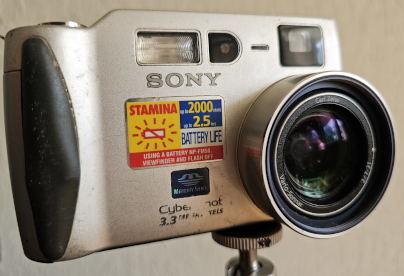
We rarely write by hand anymore; nowadays, we type. We do so on keyboards. But mostly, we type en masse on our mobile phones. We are losing the skill of handwriting, AND the visual, personal character of communication is disappearing.
|
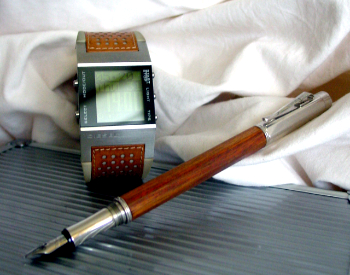 We schrijven nog maar zelden met de hand; tegenwoordig typen we. We doen dat op toetsenborden. Maar we typen het meest en massaal op onze mobiele telefoons. We zijn de vaardigheid om met de hand te schrijven aan het verliezen, EN het visueel-persoonlijk karakter van communiceren verdwijnt.
|
Airbrushing is een schildertechniek die ik een keer heb gebruikt in de kantine voor leerlingen van een middelbare scholengemeenschap in mijn woonplaats. Iemand, die mij nog altijd onbekend is gebleven, heeft het bestuur getipt. Het schoolbestuur benaderde mij met de vraag of ik een decor wilde maken van vijftien meter lang en drie meter hoog. En of ik dit binnen een week kon maken. ----------------- Airbrushing is a painting technique I once used for the student cafeteria of a secondary school in my hometown. Someone—who remains unknown to me to this day—tipped off the administration. The school board approached me, asking if I would create a backdrop measuring fifteen meters in length and three meters in height—and if I could finish it within a week.
|
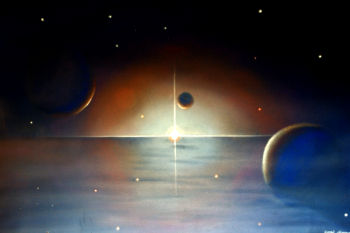 Airbrushen deed mij namelijk denken aan werken met pastel. Dit deed ik al maar op een heel ander terrein. Ik kom hier in een andere tab op terug.
|
-------------------- When we look at buildings, the focus is usually on whether they are considered beautiful or ugly. We look at their shape, color, and materials. A more seasoned observer might also consider whether these elements come together to form a cohesive or harmonious whole, ultimately deciding whether the building is beautiful or not.
|
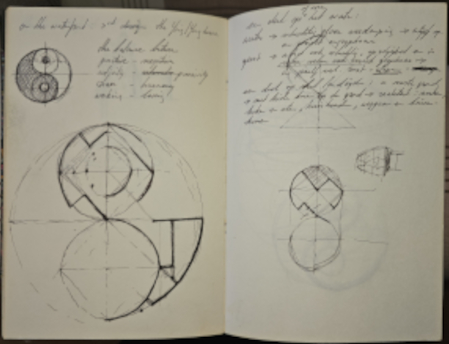 Als we naar gebouwen kijken, dan gaat het in de meeste gevallen om of ze mooi of lelijk worden bevonden. We kijken naar de vorm, kleur en materialen. Een wat meer geroutineerde aanschouwer kijkt ook of zij tezamen een aansluitend of harmonieus geheel vormen om vervolgens tot de conclusie te komen of het gebouw mooi is of juist niet.
Mijn fascinatie voor kunst, met name kunst uit de 16e en 17e eeuw, is ontstaan na het lezen van het boek "Introduction to The Humanities" van Doris van de Bogart. De auteur legt in haar boek uit welk verband er bestaat tussen schilder- en beeldhouwkunst, architectuur, muziek en literatuur en de samenleving.
--------------------
My fascination with art—particularly art from the 16th and 17th centuries—began after I read the book *Introduction to the Humanities* by Doris van de Bogart. In it, the author explains the connections between painting, sculpture, architecture, music, literature, and society.
|